
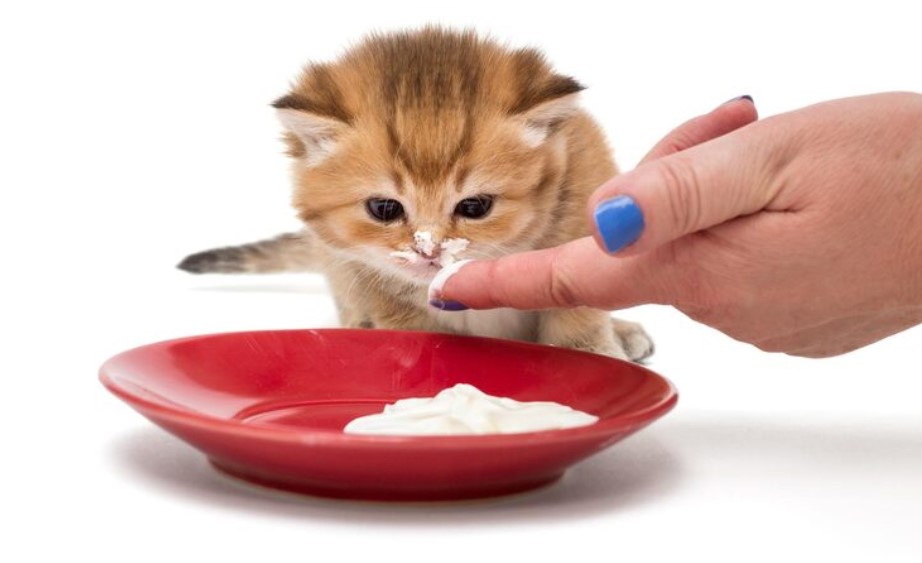
Bringing home a kitten comes with plenty of exciting firsts. The first cuddle, the first playful jump, and maybe the first time your kitten steals your seat. It is also natural to want to reward that tiny new family member with kitten treats.
But are treats actually safe for a growing kitten?
Yes, most kittens can safely enjoy treats once they are fully weaned and eating solid kitten food. However, the product, portion size, texture, and ingredients all matter. A treat that is safe for an adult cat may be too large, too hard, or too high in calories for a small kitten.
The goal is not to avoid treats completely. It is to choose them carefully and serve them in a way that supports your kitten’s growth instead of replacing important nutrition.
Are Kitten Treats Actually Safe?
Commercial kitten treats can be safe when they are:
-
Made specifically for cats
-
Suitable for your kitten’s age
-
Served in small portions
-
Easy to chew
-
Free from ingredients that are toxic to cats
-
Used alongside a complete and balanced kitten diet
Treats should never become your kitten’s main food. The Association of American Feed Control Officials explains that pet treats are normally intended as rewards. They are not usually designed to provide complete and balanced nutrition.
Growing kittens have different nutritional needs from adult cats. Their regular meals must provide the right balance of protein, fat, vitamins, minerals, and essential amino acids. AAFCO recognizes “growth” as a specific nutritional life stage that includes kittens.
That means the safest feeding plan is simple:
Complete kitten food provides nutrition. Treats provide small rewards.
When Can Kittens Start Eating Treats?
There is no single age that works for every kitten. Before offering treats, your kitten should be fully comfortable eating solid food.
Kittens generally begin exploring solid food during the weaning process. Solid food may be introduced at around four weeks, but kittens still need time to develop reliable eating and chewing habits.
Do not give regular treats to a kitten that is:
-
Still bottle-fed
-
Dependent mainly on milk replacer
-
Struggling to eat solid food
-
Underweight or recovering from illness
-
Experiencing vomiting or diarrhea
For most newly adopted kittens, it is better to establish a regular kitten-food routine before adding extra snacks.
Start with one tiny piece. Watch your kitten for the next 24 hours before offering more. This makes it easier to notice digestive problems or possible ingredient sensitivities.
Always check the age guidance on the package. Some products may be designed for adult cats only, while others are soft and small enough for kittens.
Kitten Treats Are Not the Same as Kitten Food
It is easy to assume that anything sold for cats provides proper nutrition. That is not always true.
A complete kitten food should include a nutritional adequacy statement showing that it is formulated for growth or all life stages. AAFCO identifies the nutritional adequacy statement as one of the most important parts of a pet food label.
Treats may not carry the same statement because they are not meant to serve as a full diet.
This difference matters because kittens are growing quickly. They need their regular food to support:
-
Muscle development
-
Bone growth
-
Brain and vision development
-
Immune function
-
Healthy skin and coat
-
Daily energy
Too many treats can make a kitten less interested in balanced meals. Some kittens quickly learn that holding out for a tastier snack may get them extra attention.
A practical solution is to use pieces of your kitten’s normal dry food as training rewards. Set aside part of the daily portion and offer individual pieces during training or play. This provides the feeling of a treat without adding many unplanned calories.
How to Choose Safe Kitten Treats
The best treats for kittens are not always the most expensive or most colorful options. They are products that fit your kitten’s size, age, health, and eating ability.
1. Choose cat-specific products
Never assume a dog treat is safe for a kitten. Treats made for dogs may be too large, hard, or difficult for a kitten to digest.
The package should clearly state that the product is intended for cats.
2. Look for an age recommendation
Choose products labeled for kittens, growing cats, or cats of all life stages when possible.
If the label only mentions adult cats, contact the manufacturer or ask your veterinarian before using it.
3. Check the calorie information
Calories matter even when the treat looks small. Young kittens have small bodies, so several treats can add up quickly.
Look for calorie information listed as:
-
Calories per treat
-
Kilocalories per piece
-
Calories per ounce
This helps you control the daily amount.
4. Select a kitten-friendly texture
Soft, moist, lickable, or easy-to-break treats are often simpler for young kittens to manage.
Large crunchy treats can sometimes be divided into smaller pieces. Each piece should be small enough for your kitten to chew and swallow comfortably.
Do not give whole chunks that could become a choking risk.
5. Keep the ingredient list simple
A shorter ingredient list can make it easier to identify the cause if your kitten develops digestive discomfort.
Good options may use familiar animal proteins such as:
-
Chicken
-
Turkey
-
Salmon
-
Tuna
-
Whitefish
-
Beef
A long ingredient list is not automatically unsafe. However, simple treats can be easier to introduce when you are still learning what your kitten tolerates.
6. Inspect the package
Do not use a product if the bag is torn, wet, swollen, unusually warm, or past its expiration date.
Check that the package has:
-
A visible expiration or best-by date
-
A lot or batch number
-
Manufacturer contact information
-
Clear storage instructions
-
An intact seal
Keep the package after opening. The lot number can be important if the product is later recalled.
Treats and Ingredients to Avoid
Not every tasty-looking snack belongs in a kitten’s bowl.
Raw and freeze-dried raw treats
Raw and freeze-dried raw products may carry harmful bacteria. The FDA warns that raw pet food is more likely than other forms of pet food to be contaminated with Salmonella. Contamination may affect both pets and people handling the food.
Kittens, older adults, pregnant people, and anyone with a weakened immune system may face greater risk from foodborne bacteria in the home.
A cooked commercial treat is generally the more cautious option.
Milk and dairy products
The image of a kitten drinking milk is common, but cow’s milk is not an ideal treat. Many cats lose the ability to digest lactose as they grow. Dairy products can cause gas, loose stool, or stomach discomfort.
Fresh water should always be the main drink.
Seasoned meat and table scraps
Plain meat may appear harmless, but food prepared for people often contains salt, butter, sauces, onion, garlic, or other seasonings.
Avoid giving kittens:
-
Onion or garlic
-
Chocolate
-
Alcohol
-
Coffee or caffeinated food
-
Sugar-free products containing xylitol
-
Cooked bones
-
Raw dough
-
Rich or heavily seasoned foods
The ASPCA includes chocolate, onions, garlic, alcohol, caffeine, and xylitol among foods pet owners should keep away from animals.
Hard bones and very tough chews
Bones can break teeth or create sharp pieces. Tough chews made for adult pets may also be difficult for a kitten’s small mouth.
Choose treats that can be broken easily with your fingers.
Homemade treats with added supplements
Avoid adding vitamins, calcium powders, herbs, or other supplements unless your veterinarian recommends them.
A complete kitten diet already contains carefully balanced nutrients. Adding more is not always better. In some cases, excessive nutrients may create an unhealthy imbalance.
How Many Kitten Treats Can You Give?
Treat calories should generally make up no more than 10 percent of your cat’s total daily calories. The World Small Animal Veterinary Association recommends keeping treats within this limit.
For kittens, staying below that limit may be especially helpful because their balanced growth diet is so important.
However, the 10 percent rule does not mean every kitten needs the full amount. Treats are optional. A few tiny pieces may be enough for training and bonding.
For example, imagine that your kitten’s feeding plan allows 200 calories per day. Under the 10 percent guideline, treats should provide no more than about 20 calories. The remaining calories should come from complete and balanced kitten food.
Exact calorie needs vary based on:
-
Age
-
Weight
-
Activity
-
Body condition
-
Neuter status
-
Health conditions
-
Main food formula
Ask your veterinarian to estimate your kitten’s daily calorie needs if you are uncertain.
The Safest Way to Introduce a New Treat
Introducing several new foods at once can make it difficult to identify what caused a stomach problem.
Use this simple process:
-
Read the entire label.
-
Confirm that the treat is suitable for cats.
-
Break it into a very small piece.
-
Offer only one new product at a time.
-
Wait and watch for digestive or skin changes.
-
Increase the amount only if your kitten tolerates it.
-
Keep treats within the daily calorie allowance.
A food diary can be helpful. Record the product, flavor, amount, and date. If your kitten develops symptoms, you will have useful information to share with your veterinarian.
Smart Ways to Use Kitten Treats
Treats can do more than satisfy your kitten’s appetite. Used correctly, they can support training, confidence, and positive experiences.
Reward helpful behavior
Offer a tiny treat when your kitten:
-
Uses the scratching post
-
Enters the carrier
-
Comes when called
-
Allows gentle brushing
-
Accepts nail handling
-
Remains calm during a new experience
Positive reinforcement helps kittens connect good behavior with a pleasant result. Food rewards and play can help encourage confident behavior.
Make the carrier less scary
Leave the carrier open in a familiar room. Place one or two treats inside and allow your kitten to explore without being forced.
Over time, the carrier can become a normal resting place instead of a warning that a vet visit is coming.
Use treats for enrichment
Hide a few tiny pieces in a puzzle feeder or around a safe room. This encourages natural searching and hunting behavior.
Remember to supervise your kitten when introducing a new puzzle toy. Make sure there are no loose parts that could be swallowed.
Reward with play too
Food does not have to be the only reward.
Many kittens respond well to:
-
Wand-toy play
-
Gentle petting
-
Verbal praise
-
A favorite ball
-
Access to a window perch
Mixing food and non-food rewards can prevent your kitten from expecting a snack every time.
Signs a Treat May Not Suit Your Kitten
Stop offering the product if you notice a negative change after introducing it.
Possible warning signs include:
-
Vomiting
-
Diarrhea
-
Excessive gas
-
Loss of appetite
-
Itchy skin
-
Facial swelling
-
Unusual tiredness
-
Repeated coughing or gagging
-
Difficulty breathing
Mild digestive discomfort may occur after a sudden food change. However, kittens can become dehydrated quickly, so repeated vomiting or diarrhea should not be ignored. Cornell notes that kittens may be at greater risk of digestive trouble while adjusting to solid food.
Contact a veterinarian promptly if symptoms continue, become severe, or involve breathing difficulty, swelling, weakness, blood, or refusal to eat.
Choose Your Kitten’s First Treat Carefully
Before buying kitten treats, check the age recommendation, texture, calorie count, ingredient list, package condition, and feeding directions.
Start with one small piece. Keep portions controlled and continue feeding a complete kitten formula as the main diet. The best treats for kittens should help with bonding and training without getting in the way of healthy growth.
Your next step is simple: select one age-appropriate treat, compare its calories with your kitten’s daily feeding plan, and introduce it slowly. When your kitten has a medical condition, sensitive stomach, poor appetite, or unusual reaction, ask your veterinarian before offering the next bite.
Frequently Asked Questions
Can an eight-week-old kitten have treats?
Many eight-week-old kittens are fully weaned and able to eat solid food. They may have small, soft treats if the package is suitable for their age. Establish a balanced kitten-food routine first and introduce only one tiny piece at a time.
What are the best treats for kittens?
The best treats for kittens are small, easy to chew, calorie-controlled, and made specifically for cats. Kitten-formulated soft treats, lickable treats, or pieces taken from the kitten’s daily food allowance can work well.
The right choice also depends on your kitten’s health and digestion.
Can I give my kitten adult cat treats?
Some adult cat treats may be safe when broken into tiny pieces, but others may be too hard or large. Check the age directions and calorie content. When the label is unclear, choose a kitten-specific option instead.
Can kittens eat treats every day?
Kittens can have small treats daily as long as the calories remain within a healthy limit and the snacks do not reduce their interest in balanced kitten food.
Daily treats are not required. Use them with a purpose, such as training, grooming, or carrier practice.
Can I use regular kitten food as treats?
Yes. Pieces of dry kitten food can be excellent training rewards. Measure the full daily food portion first, then take a small amount from it for training. This makes calorie control easier.